Algorithm and bidding are already commodities. Those who produce testable creatives in volume sustain scale — those who produce little stall at the ceiling.
The feed delivers reach and demands engagement. In 2026, many brands realized that thousands of impressions are worth less than three hundred people regularly conversing. This is where micro-communities come in.
For years, video was a recognition tool: it generated desire and sent the audience elsewhere. The shoppable video broke this stage. The product is in the content itself,
Once any company managed to produce text at scale, the differentiator shifted from the ability to write to the ability to have something relevant to say. AI content works when AI is a step in the process, not the entire process. Where AI Truly Helps Structuring: transforming a brief into an article skeleton with coherent headings. Variation: generating ten titles, five ad versions, three email openings. Repurposing: converting video into text, articles into carousels, data into graphs. Screening: summarizing long material and pointing out areas that deserve deeper exploration. Consistency: standardizing tone in technical texts and customer service responses. Where AI Ruins Content When it takes over parts that should remain human: opinion, field experience, internal data, commercial nuance, and positioning. The result is a correct but forgettable text, identical to that of fifty competitors. A Five-Step Process that Preserves Brand Voice Real Demand Brief. Start with the question the sales team hears most. Not by calendar trend. Proprietary Context Briefing. Internal data, real cases, terms the client uses, objections that arise in conversations. Assisted Drafting. AI builds the structure and first version from the briefing—never from a generic theme. Mandatory Human Review. An expert adds experience, corrects inaccuracies, and adjusts tone. Without this step, the content does not go out. Designed Distribution. Each piece needs a plan: which channels, what call-to-action, what the next step for the reader is. Style Guide: What Provides Consistency A simple document with ten rules solves a lot: how the brand treats the reader, what to never use, level of formality, use of data and citations, preferred formats, and approved examples. Those who produce with AI now have an objective criterion for review. How to Measure if the Content is Working Indicator What it Reveals Leads Originated from Content Real Contribution to Revenue Reading Time and Scroll Depth Relevance of the Text Citations in AI and Search Engines Brand Authority Repurposing Rate Efficiency of the Editorial Process Common Mistakes Publishing without human review in content that represents the brand. Choosing topics based on search volume while ignoring delivery capacity. Not repurposing: producing an article and forgetting it after publication. Measuring only traffic, without linking content to commercial opportunity. Conclusion AI has raised the baseline of content production: everyone can write well. What remains scarce is real experience, proprietary data, and perspective. Companies that use AI to accelerate the mechanical part and reserve human judgment for what matters produce more, with quality and impact on revenue.
The question "which format works best?" has a different answer every quarter. In 2026, with algorithms prioritizing retention, AI-generated content flooding social media, and users becoming increasingly selective, the decision about format needs to move from guesswork to data panels. What changed in user behavior Short videos continue to dominate attention span, but with an important difference: users abandon quickly. The first three seconds determine the content's fate. At the same time, fast-reading formats—carousel and image with well-structured text—have started to perform well again for professional audiences consuming content during work hours. How each format behaves Reels and short video Better reach for new audiences. High demand for initial hook and retention. Works well for demonstrations, behind-the-scenes, and proof of results. Poor for explaining long processes without cuts. Carousel Good for sequential educational content. Generates saves and shares—strong signals of relevance. Requires the first card to have a clear promise and the last one to have an objective call to action. Static image with text Still works in B2B niches and for data and quotes. Simple to produce in volume, ideal for testing messages. Lower reach when used in isolation and without consistency. How to decide with data, not opinion Define a business metric: generated contact, qualified click, initiated conversation. Likes don’t decide anything. Run the same theme in two formats for two weeks. Compare retention, saves, shares, and final action. Double the investment in the winning format by theme, not overall. The effect of AI on production The ease of producing with AI has increased the volume published by everyone. The result is that attention has become more contested, and the differential has shifted from quantity to angle. Generic content, even if well-produced, loses ground to those with a point of view, their own data, and real experience. Recurring mistakes Publishing for the sake of publishing, without a result goal. Copying reference formats without adapting to one's own audience. Measuring only followers, ignoring conversations and opportunities generated. Publishing sales content every week without alternating with useful content. Conclusion Format is a tool, not a strategy. The right question is not "Reels or carousel?", but "which format delivers my message to the right audience at the lowest cost per opportunity?". Testing methodically and measuring to the end of the funnel is what separates a pretty profile from an acquisition channel.
Every company talks about being data-driven, but few take the time to organize the one data point that no one can copy: the real behavior of their own customers. By 2026, with increasing restrictions on third-party tracking and AI algorithms deciding media, first-party data has moved from a technical note to an executive priority. What counts as first-party data? These are the information collected directly from your relationship with the customer: Declared data: forms, surveys, preferences, registration data. Behavioral data: website navigation, product usage, purchase history. Transactional data: orders, returns, payment cycle. Relationship data: interactions with customer service, response time, complaints. CRM data: funnel stage, reason for loss, opportunity source. Why this became a competitive advantage: It feeds media automation with quality signals. Advertising platforms learn from what the company sends. Real sales conversion, customer value, and lead qualification teach the algorithm to find the right buyer. Poor signals lead to poor optimization. It allows personalization that competitors cannot achieve. Segmenting by your own behavior — who viewed the same product three times, who reopened the cart, who stayed 40 days stagnant in the funnel — generates relevant messaging and increases conversion without inflating investment. It reduces dependence on platforms. Those who build their own relationship base — email, WhatsApp, customer list — survive changes in algorithms, privacy policies, and media costs. How to structure it in five steps: Map the sources. List all systems that generate customer data: website, CRM, ERP, customer service, e-commerce, app. Define the unique identifier. One customer, one record. Without this, the data becomes a useless fragment. Consolidate into a single layer. You don't need to buy expensive technology at the beginning: a good integration process already solves 80% of the problem. Govern with a clear policy. Consent, purpose, retention, and access control are not bureaucracy — they are what allows you to use the data without legal and reputational risk. Activate in cycles. Each collected data point needs a destination: campaign, automation, recommendation, or analysis. Stagnant data is a cost. Common mistakes: Collecting too much and using too little — the company becomes a data graveyard. Too many mandatory fields in forms, lowering the conversion rate. No integration between CRM and media, keeping the optimization cycle blind. Treating LGPD as an obstacle instead of a quality rule for the base. How to measure the return: Track four indicators: base enrichment rate, percentage of opportunities with identified origin, cost per qualified opportunity, and repurchase rate of the active base. These numbers show whether the data is being converted into revenue or just accumulated. Conclusion: Paid media has become more expensive and automated; creative has become easier to copy. The data that describes your customer is the only piece that competitors cannot replicate. Companies that organize this base now build a competitive advantage that deepens every month — and that does not depend on the mood of any algorithm.
Your next customers may be AI agents that research and purchase on their own. Understand B2R (business-to-robot) marketing and how to prepare your company for this scenario.
Customers no longer want generic campaigns: they want experiences tailored for them. Understand how hyperpersonalization with AI transforms emails, websites, and ads into individual conversations.
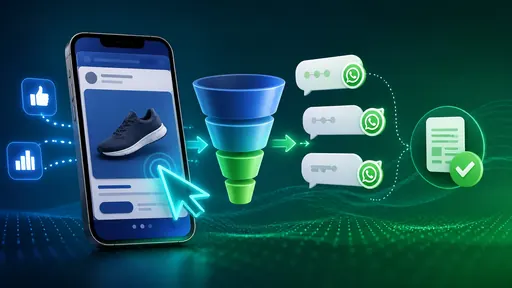
Learn how to structure paid traffic campaigns for WhatsApp that generate qualified conversations and quote requests. A complete guide with strategies for Google Ads, Meta Ads, and Instagram.
The era of mass marketing is over. Discover how hyperpersonalization with AI is transforming campaigns and generating exponential results for businesses.
WhatsApp has established itself as the main sales channel in Brazil. Discover advanced automation strategies, AI chatbots, and CRM integration to scale results.
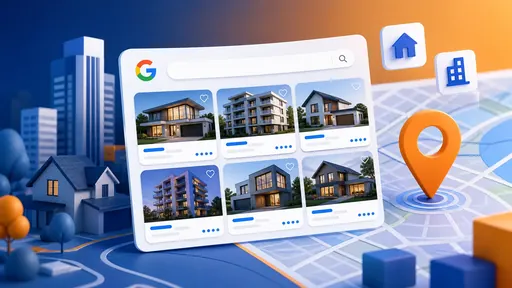
Google now displays properties in search results with photos, prices, and direct contact. Understand Google Real Estate, what changes for realtors, and how to prepare.
If you follow the startup and digital business market, you may have noticed an interesting trend: more and more, it is the founders themselves who are at the forefront of communication, sales, and brand building. Not by chance, this strategy has gained a name — Founder-Led Growth (FLG).
The End of Third-Party Cookies and the New Era of First-Party Data With the gradual phasing out of third-party cookies and the increase in privacy restrictions imposed by browsers and legislation such as LGPD, first-party data has solidified as the main fuel for digital marketing strategies in 2026. Companies
The Revolution of Buying Without Leaving Social Media Social commerce has moved from being a trend to a consolidated reality in 2026. Today, consumers buy without leaving the feed of Instagram, TikTok Shop, or even within conversations on WhatsApp. The buying journey, which once required visiting a website,
Doing medical marketing in Brazil has always been a sensitive territory. The Medical Ethics Code, regulated by the CFM, imposes restrictions that do not exist for other segments — and many doctors end up choosing not to do any marketing, fearing they will violate rules. The problem? In 2026, not appearing online is the worst marketing decision.
There are plenty of digital marketing agencies. But performance agencies — which tie media investment directly to measurable results — are few. The difference is not in the pretty portfolio. It's in how the agency answers the question: “how much more do I earn for every $1 I pay you?” What defines
Business owners searching for "how much does a digital marketing agency cost" have often wasted money on freelancers who disappeared, a nephew who "understands Instagram," or ads that ran without results. The real question isn't about price — it's about how much it costs to do digital marketing that actually brings in clients. Real prices for digital marketing agencies in 2026.