The end of third-party cookies is no longer a future threat — it is a reality. In 2026, companies that have not built their own databases are suffering from poor segmentation, high CPL, and declining returns on ads.
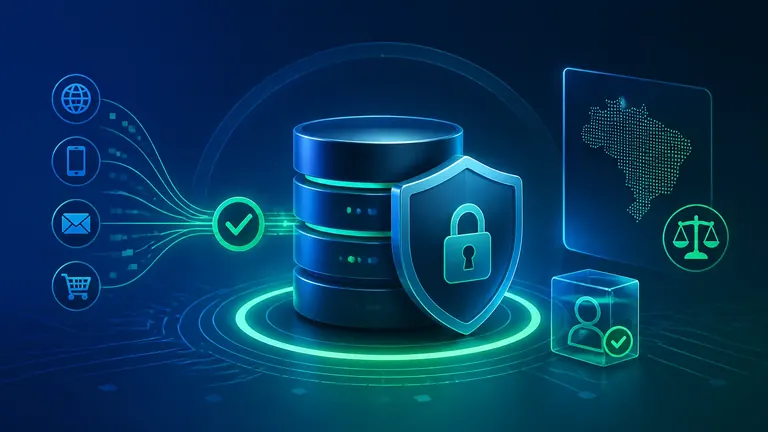
First-party data is information collected directly from your customers and leads: what they buy, how they browse the site, which emails they open, and which forms they fill out. All with consent.
Why is First-Party Data the Future?
Accuracy: data collected from the user themselves is more accurate than third-party data. GDPR Compliance: with explicit consent, you avoid legal risks. Independence: you are not dependent on Google or Meta to segment your audience.
Practical Strategies to Collect First-Party Data
1. Smart Forms: don’t ask for everything at once. Capture name and email first, then enrich the profile over time.
2. Gated Content: e-books, webinars, and free tools in exchange for data.
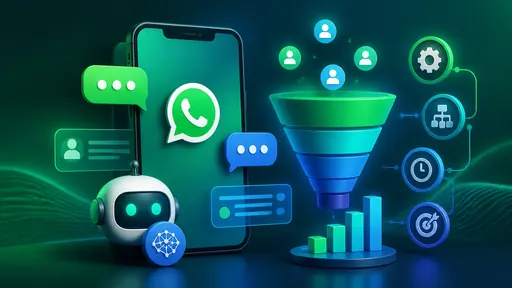
3. CRM-Site Integration: connect your site to Kommo or HubSpot to automatically capture every interaction.
4. Quizzes and Assessments: interactive tools that engage and collect qualified data.
How to Activate First-Party Data in Ads
In Meta Ads: use Custom Audiences with email and phone data — the basis for hyper-personalization with AI strategies. In Google Ads: Customer Match and Enhanced Conversions. The more first-party data you feed, the better the audiences that the platforms' AIs can create.
Kaizen can help your company build and activate a first-party data strategy — with complete integration to your CRM and paid media campaigns.