

Part of the Inbound silo: Inbound Marketing Agency (money page) · Inbound Marketing hub.

Every day, hundreds of large companies invest heavily in paid online ads, making it difficult for small and medium-sized businesses that lack sufficient financial resources for paid advertising to rise. However, Inbound Marketing for small businesses can level the playing field and make this competition fairer!
Unlike traditional marketing, where companies seek customers by promoting their products (Google ads, flyers, TV commercials), Inbound Marketing works with strategies that attract potential customers to you.
Understanding Inbound Marketing
Inbound Marketing, also known as attraction marketing, consists of a set of techniques and strategies that lead a potential customer to your brand by offering relevant content that delights them and alleviates their pain, demonstrating that your company understands the subject and thus generating authority for your brand!
About 80% of consumers prefer to seek information about a product in articles rather than advertisements, and more than 90% research online about the product before buying.
Inbound Marketing for small businesses helps you attract more visitors to your website and subsequently convert them into customers in a subtle way without aggressive interference.
Main Benefits of Inbound Marketing for Small Businesses
As we have seen, the main benefit of inbound marketing is the low cost, about 61% less than the techniques used by Outbound Marketing according to studies.
There is also no need to chase after customers as they will come to you through the publication of relevant content. You will only need to produce high-quality content for this to happen, and they will likely become leads and eventually loyal customers!
Gradually, trust is built through useful information, solving a problem, and answering questions without commitment. This way, you develop a more personal relationship, which will eventually be the key decision point for the customer to close deals with you!
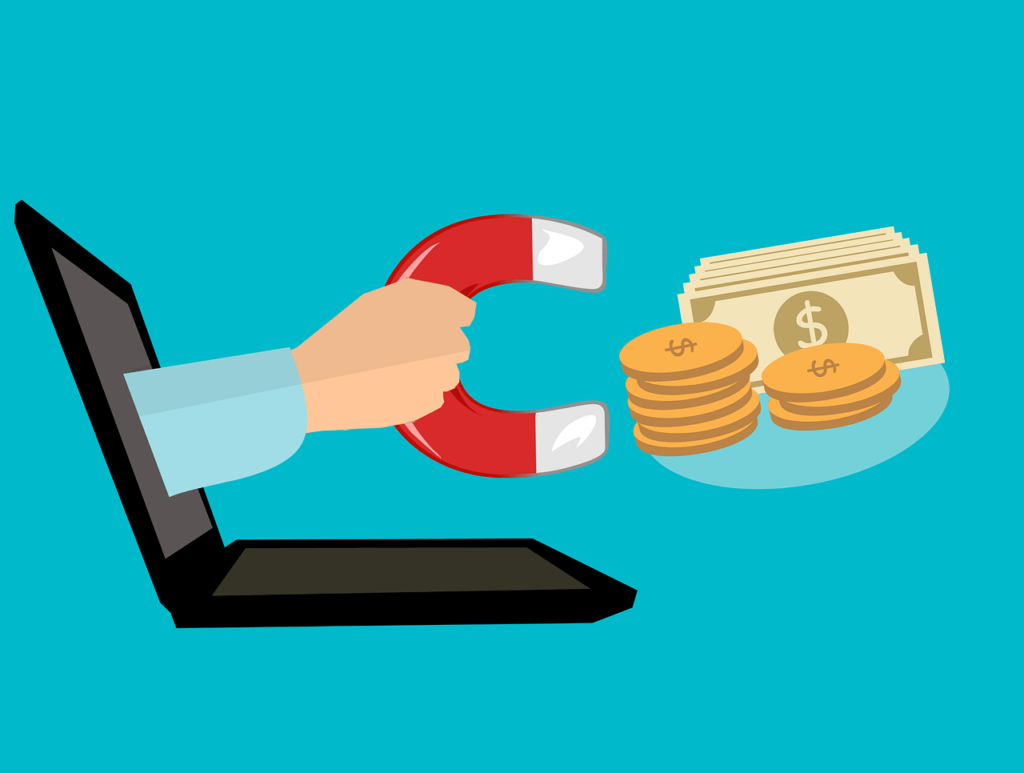
In the end, Inbound Marketing for small businesses means reaching a broad audience that was previously unreachable due to cost, increasing brand authority, generating greater engagement with users, cultivating leads, and consequently increasing your sales!
Inbound Marketing Strategies for Small Businesses
The first step before implementing an Inbound Marketing strategy is to have a goal for a specific period, for example: Generate 80 qualified leads (users who filled out a form) in 6 months. With the goal defined, you can move on to implementing your strategy.
Defining your target audience is a fundamental part of marketing, as it allows you to understand the pains, challenges, and problems of a potential customer clearly, as well as identify where to find them!
With the goal and target audience well defined, comes the main stage of Inbound Marketing, the attraction. For this, create epic high-quality content that solves problems, satisfies curiosity, and stimulates interest in the subject. This content can be articles, videos, photos, and podcasts, according to the target audience and the platform they are on.
After attracting and converting the traffic from your website or blog into leads, work them through the sales funnel, feeding them with relevant content for each stage until the purchasing decision through attractive offers.
See how Inbound Marketing strategies are essential for the growth of small businesses? The results are proven! Send us an email, apply these strategies, and boost your business right now!