

To succeed in digital strategies, aligning visual identity is essential
Over the years and with the consolidation of marketing, visual identity has become essential in the digital realm. After all, its role in positioning and the success of brands is proven. Today, entrepreneurs looking to elevate their companies need to understand this component, which begins at the zero point of any digital marketing project.

The power of the first digital impression
In the digital landscape, the first impression is extremely important. After all, it can be decisive and transform a simple visitor into a loyal customer. Thus, visual identity is crucial, as it serves as the gateway to a brand's narrative. In the blink of an eye, design conveys values, establishes personality, and demonstrates professionalism, instantly impacting the user's perception.
Moreover, a visually appealing image not only captivates the eyes but also invites visitors to explore more. In this context, we can imagine visual identity as the non-verbal language of a company, speaking directly to the feelings and intuitions of viewers. If this first visual interaction resonates with the audience's values and aspirations, it creates an immediate emotional connection. Thus, it becomes an essential link in building customer loyalty.
As we know, the digital environment is saturating, and the competition for attention is fierce. That’s why understanding the power of the first impression is fundamental. This is an opportunity with great transformative power, allowing brands to stand out in an information-rich environment. Thus, companies that recognize and optimize this moment position themselves strategically not only to attract but also to retain the audience.
The unity of the brand in the digital universe
But what would brand unity mean in this vast digital world? We can say that this concept is not limited to a simple set of visual elements. Going beyond, it materializes in a set of colors, typography, and graphic elements. In other words, much more than just a logo, brand unity is the true artistic and conceptual expression of a company's essence.
Thus, in its conception, professionals study every detail to reflect a story that impacts and makes sense. That’s why each chosen color transforms into a language that conveys emotions and values. Typography, for example, becomes the voice that narrates this story. As seen, this entire harmonious set and balance are not accidental. Everything is carefully planned to create an engaging experience that extends across all digital spheres.
In each online interaction, whether on social media, on the website, or in email marketing campaigns, the consistency of visual identity strengthens brand recall. Thus, visual identity helps guide the user to a familiar narrative, building trust over time.
Differentiation in a saturated digital world
To stand out in the business landscape, visual identity is a great ally. In fact, this tool helps propel a company to stand out in the digital crowd.
However, on this journey, it is important to know that the ability to attract public attention goes beyond the superficial. This is a mission based on building a distinctive narrative to resonate authentically with the audience. Achieving this differentiation is not a simple task. Therefore, it becomes essential to understand that visual identity is indeed a graphic resource, but it goes beyond that. After all, it also represents a strategic element to shape perception and strengthen digital impact.
As seen, standing out requires a conscious and strategic approach. See how visual identity can be the key to this differentiation:
Attracting instant attention: in a busy digital environment, a striking visual identity is the bait to attract instant attention. It helps provide the company with the chance to be noticed among competitors.
Building a captivating story: more than visual elements, visual identity helps build an engaging narrative. This story contributes to highlighting the company, creating an emotional connection with consumers.
Examples of visual identity
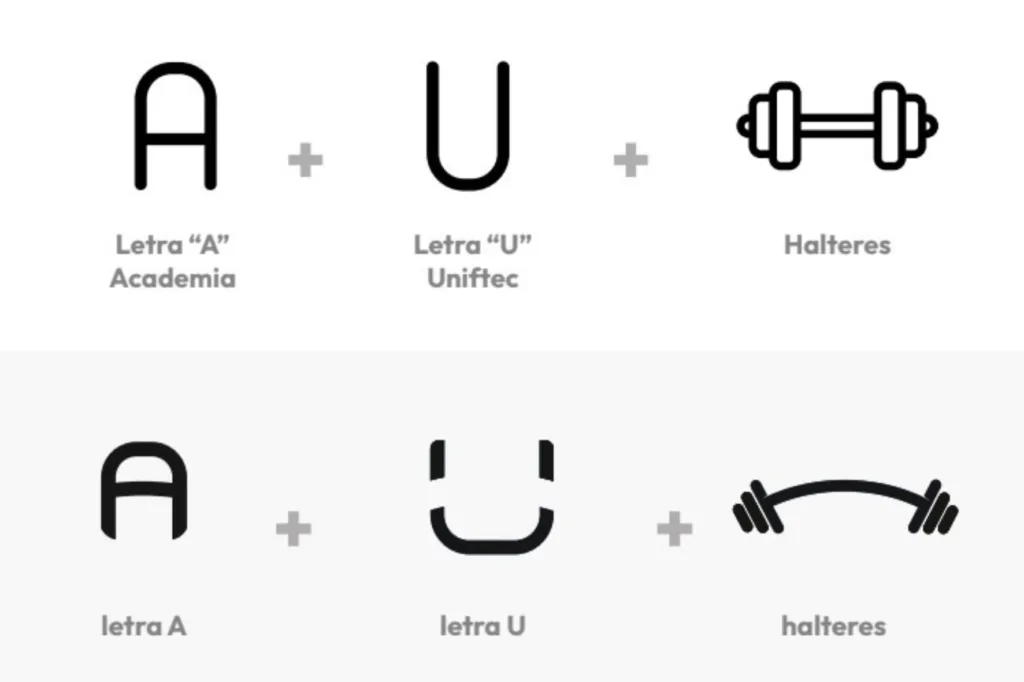
Below, check out visual identity projects developed by Agência Kaizen for clients from different segments.
1. Creation of visual identity for Uniftec Academy


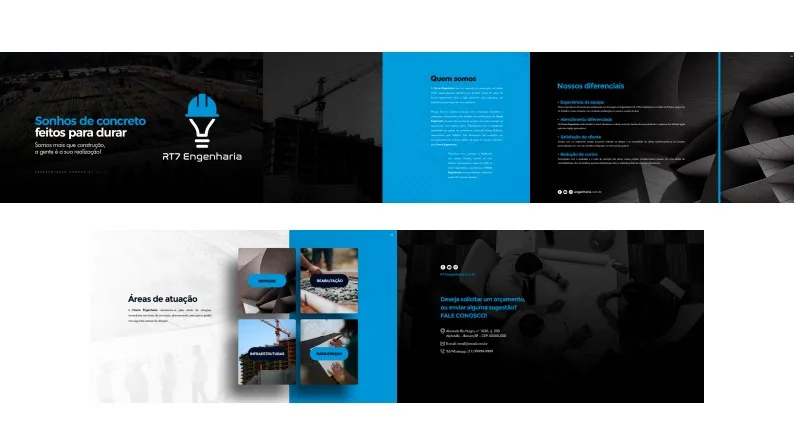
2. Creation of visual identity for RT7 Engineering
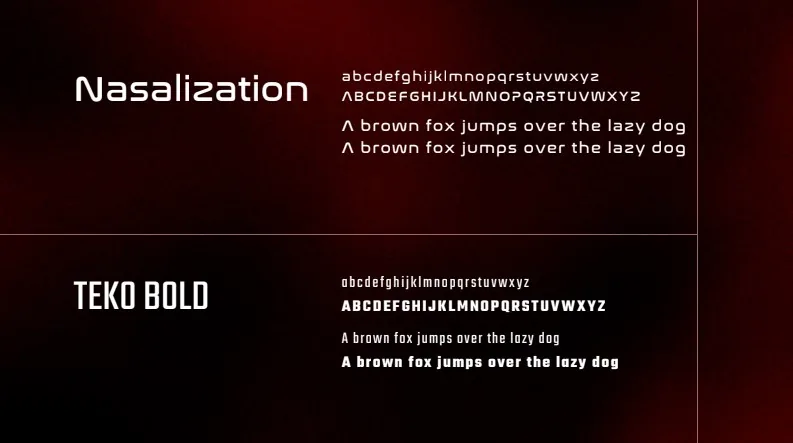

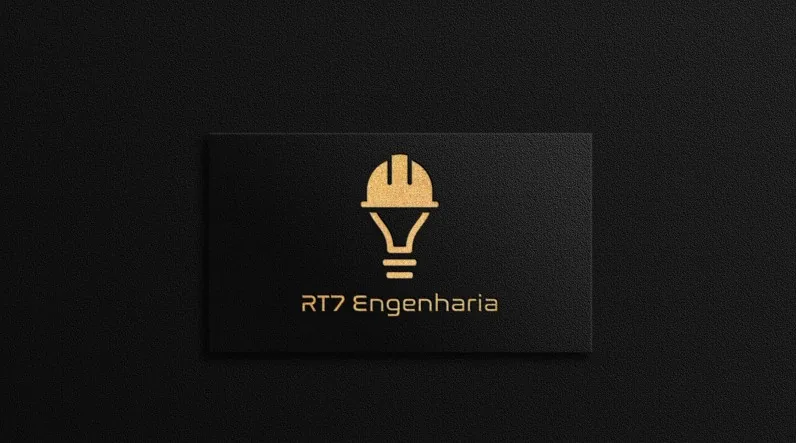
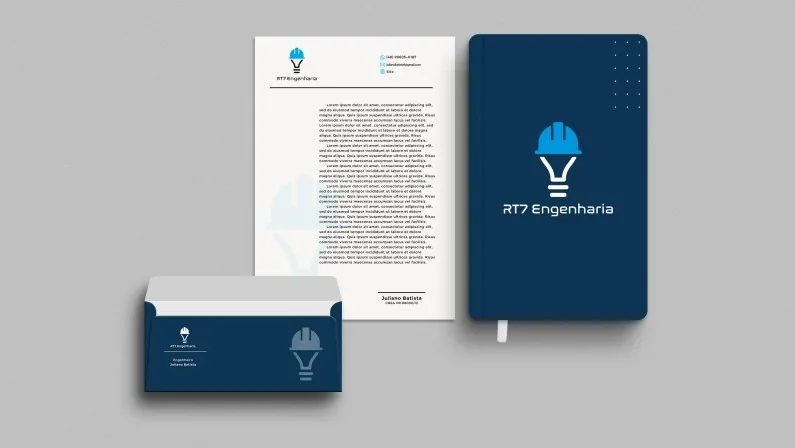
Visual identity as a strategic pillar of digital marketing
In the realm of digital marketing, visual identity assumes a position as a strategic pillar. Its role is central in building and consolidating a brand's online presence. Thus, it is important to know that this element is a foundation that guides and supports digital marketing initiatives.
Consistency and recognition: visual identity provides a visual consistency that is essential for brand recognition. By creating a cohesive experience across various channels, the brand strengthens its online presence and builds its image for the target audience.
Alignment with objectives and values: the careful development of visual identity is aesthetic and must align with the brand's objectives and values. This harmony between visual elements and strategic messages contributes to building a solid narrative, essential for attracting and engaging the audience in the digital landscape.
Building trust and credibility
Considering the competitiveness present in the business context, building trust and credibility is of utmost importance. In this aspect, visual identity also consolidates itself as a basic and determining tool.
Professionalism: a consistent and professional visual identity instantly communicates a standard of excellence and seriousness.
Lasting recognition: a recognizable visual image contributes to the lasting memory of the brand, consolidating its presence in the minds of consumers.
Transparency and coherence: visual cohesion and transparency in messages strengthen the company-client relationship, establishing a solid foundation for building trust over time.
Adaptability to different digital channels
Moreover, it is essential to create a visual identity with high adaptability and versatility. Thus, its elements can adjust harmoniously to different digital channels. Therefore, this reflects the ability to provide a consistent experience amidst the diversity of platforms available on the internet.
With a versatile and adaptable visual identity, companies can enjoy a strategy that encompasses:
Visual consistency across different platforms: a versatile visual identity maintains unity on social media, websites, emails, and other digital platforms. This consistency is ideal for strengthening brand presence, as well as facilitating immediate recognition by the audience.
Adaptation to different formats and sizes: a versatile visual identity manifests in the ability to adapt to a variety of formats and sizes. Thus, this ensures that the design remains impactful, regardless of the digital context in which it will be inserted.
Flexibility to meet diverse audiences: the versatile visual identity is not only visually adaptable. It can adjust its message to cater to diverse audiences. This translates into greater engagement, as the brand can effectively communicate with different segments of its audience.

The process of developing visual identity
Now that you understand the relevance of visual identity, it’s time to understand how its conception and development process works. Generally, this is a strategic construction, based on several stages that require effective collaboration between the client and the marketing team.
1. Deep understanding: uncovering the essence of the brand
The first phase of the visual identity development process requires a deep exploration of the brand's values and objectives. At this stage, it is necessary for the client to actively participate, sharing essential information that defines the brand's identity. In turn, the marketing team dedicates itself to research, competitor analysis, and then dives into the insights provided by the client. This process is fundamental to understanding the unique personality that will be visually translated.
2. Strategic design: transforming concepts into meaningful forms
Next, it’s time to give visual form to the brand's vision. Thus, strategic design comes into play, exploring color palettes, typography, and graphic elements that align with the identity defined in the previous phase. Collaboration between the client and the marketing team remains important. This way, adjustments and refinements can be made to ensure that the design is aesthetically appealing and consistent with the brand's strategic message.
3. Coherent implementation: from ideas to digital practice
Finally, it’s time for the practical implementation of the visual identity across different digital channels. Here, versatility and adaptability take center stage, ensuring that the brand maintains its visual cohesion across platforms. Thus, from social media to websites and emails, all channels will have the same identity.
Preparing the client for fruitful collaboration
Now, for this creation process to be effective, the client's contribution is decisive throughout the entire journey. In addition to providing detailed information about the brand, being open to continuous dialogue is fundamental. Thus, the client can prepare for the development process of their visual identity by following some steps.
1. Defining clear objectives: having clear goals and objectives helps guide the team in creating a visual identity that meets the needs.
2. Constructive feedback: providing constructive feedback during the conception and design phases is essential. After all, communication facilitates adjustments, contributing to a result aligned with the client's expectations.
3. Commitment to coherence: it is necessary to be open to ideas and also to understand the importance of consistency in visual identity. Furthermore, it is crucial to be willing to implement it across all facets of the digital business.
Essential investment for the digital future
Throughout this article, you understood that visual identity is not a luxury, but rather an essential investment for any company looking to thrive in the digital world.
Thus, if you are a business owner and recognize that this element goes far beyond graphic representation, being a strategic tool to drive success, how about talking to specialists in developing visual identities?
Talk now with our marketing team, and let’s think together about your company’s new visual identity!