
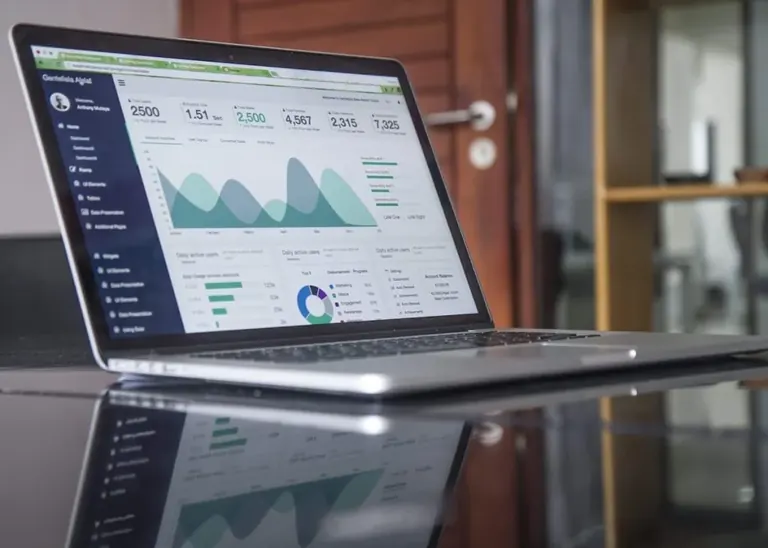
Discover the advantages of paid traffic, differences compared to organic traffic, learn about the main platforms, metrics, and much more!
If you have an online business, you are certainly wondering how to improve the visibility of your page or website, right? In this search, paid traffic proves to be an excellent option. It is a digital marketing strategy that involves paying for ads that direct traffic to a website or even to a social media profile.
Currently, this is one of the main ways to increase the visibility and online presence of a brand. Moreover, it is one of Kaizen's specialties. Therefore, in this article, we will address the main aspects of paid traffic, explaining the types of ads, the most used platforms, performance metrics, and best practices for applying it successfully.
Shall we? 😉

Types of Paid Traffic Ads
To start, it is essential to understand that there are various types of ads to generate traffic to a website. Each of them has its characteristics and specific objectives, see:
Search Ads: These are the ads that appear in Google search results or other search engines like Bing. They are displayed to users searching for keywords related to your business and can direct traffic to your site.
Display Ads: These are the ads that appear on Google partner sites or other advertising networks. They can be displayed in different formats, such as banners, pop-ups, and videos, and can reach a broad audience.
Social Media Ads: These are ads that appear on social networks like Facebook, Instagram, and LinkedIn. They can be targeted to reach the right audience based on interests, behaviors, and other relevant aspects.
Remarketing Ads: These are ads displayed to users who have already visited your site or interacted with your brand in some way. They aim to re-engage these users and direct them back to your site.
Why Is It Important to Use?
Using paid traffic is important because, in the digital age, the competition for attention and visibility is increasingly fierce. With so many companies competing for space on social media and search engines, it is necessary to adopt effective strategies to stand out and attract potential customers.
Paid traffic is one of those strategies, as it allows a brand to expand its online presence through paid ads, which are displayed to a specific and segmented audience. This can both increase site traffic and generate more leads, consequently increasing the chances of conversion into sales.
Moreover, it is a highly measurable and scalable strategy. This means that it is possible to closely monitor campaign performance and make real-time adjustments based on concrete data. It is also possible to increase or decrease the investment in ads according to the results obtained, allowing for more efficient management of the marketing budget.

Paid Traffic vs. Organic Traffic
Both types of traffic have advantages and offer benefits for companies to stand out in the digital space. Paid traffic has some advantages over organic traffic, as explained below.
Quick Results: With paid traffic, it is possible to start seeing results in a short time, as ads are displayed to a segmented audience interested in your products or services. In contrast, organic traffic may take some time before content starts appearing in search results – it is a long-term effort that requires patience, focus, and determination.
Precise Targeting: By using paid traffic, the company can precisely target the audience based on location, age group, interests, and other relevant characteristics. This ensures that ads are displayed to the right people, increasing the campaign's effectiveness.
Budget Control: In paid traffic, there are no surprises with the budget. This is because you can set a daily or monthly budget for ads and closely monitor the results. Thus, managing the marketing investment becomes more efficient, avoiding resource waste.
On the other hand, organic traffic is generated spontaneously, without the need to pay for ads. It can be obtained through strategies such as search engine optimization (SEO), content marketing, and social media presence.
Some differences between organic and paid traffic are:
Time to Results: Organic traffic may take longer to generate results, as it is necessary to build a consistent online presence, achieve good positioning in search engines, and generate engagement with the audience. In contrast, paid traffic can yield results more quickly.
Financial Investment: To generate organic traffic, it is not necessary to invest financially, but rather to invest time and effort in creating and promoting quality content. On the other hand, paid traffic requires a financial investment to promote ads and reach a larger and more segmented audience.
In summary, both organic and paid traffic are important for a company's digital marketing strategy. Each has its advantages and disadvantages, so it is essential to choose the best strategy to achieve your business objectives.
Check out our complete article on organic traffic by clicking here.

Examples of Paid Traffic Platforms
There are various platforms that offer the possibility to create traffic ads. Each presents solutions that can meet the particularities of each company. Therefore, it is important to evaluate the business profile, type of product or service, understand the audience you want to attract, and thus invest in the most suitable medium.
Google Ads
It is the Google advertising platform, which includes search and display ads.
Meta Ads
It is the advertising platform of Facebook, encompassing ads on Facebook itself, as well as Instagram and remarketing. Here, various formats and locations can be used, such as images and videos in feed posts, explore tab, stories, reels, Messenger, among others.
TikTok Ads
The TikTok advertising platform allows companies from different niches to segment their campaigns on the social network with short and engaging videos.
LinkedIn Ads
It is the advertising platform of LinkedIn, which focuses on business and career ads.
Other Platforms
There are also various advertising platforms, such as YouTube Ads, Bing Ads, Twitter Ads, and Pinterest Ads, which can be used depending on the target audience and the campaign's objective.
Performance Metrics for Paid Traffic
When running traffic ads, it is important to measure the campaign's performance to evaluate the return on investment (ROI). The main metrics to monitor are:
Cost per Click (CPC): This is the amount paid for each click on an ad. This metric is important for evaluating the cost-effectiveness of a campaign and comparing the performance of different ads and platforms.
Conversion Rate: This is the proportion of visitors who take a desired action on the site, such as filling out a form or purchasing a product. This metric indicates the effectiveness of the campaign in generating concrete results.
Return on Investment (ROI): This is the value generated in relation to the amount invested in the campaign. This metric is essential for assessing the campaign's profitability and justifying the investment in paid traffic.
Best Practices for Implementing Paid Traffic
To succeed with paid traffic, it is important to follow some best practices. Learn more about them below.
Define Clear Objectives: It is essential to establish specific objectives for each campaign, such as increasing sales or generating leads. This helps guide the advertising strategy and measure the campaign's success.
Segment the Target Audience: It is important to know the target audience of the campaign and segment it according to interests, behaviors, and demographics. This helps direct ads to the right people and increase the campaign's effectiveness.
Create Relevant Ads: One tip is to invest in attractive and relevant ads for the target audience. This includes using eye-catching images and texts, highlighting benefits and differentiators of the brand, and including clear calls to action.
Test Different Formats and Platforms: You should experiment with different ad formats and platforms to find the most effective combination. This includes testing different titles, images, texts, and targeting strategies.
Does Your Company Invest in Paid Traffic?
Paid traffic is a fundamental strategy to increase the visibility and online presence of a brand. With the correct application, it is possible to achieve significant results in terms of increased traffic, lead generation, and sales conversion.
Here at Kaizen, we are specialists in paid traffic and can help your company achieve impressive results with online ads. Contact us to learn more about our services and how we can help you achieve your goals in the digital world.
Stay tuned for more interesting content about the digital universe on the Kaizen blog! Oh, don't forget to follow our Instagram profile! 😉