
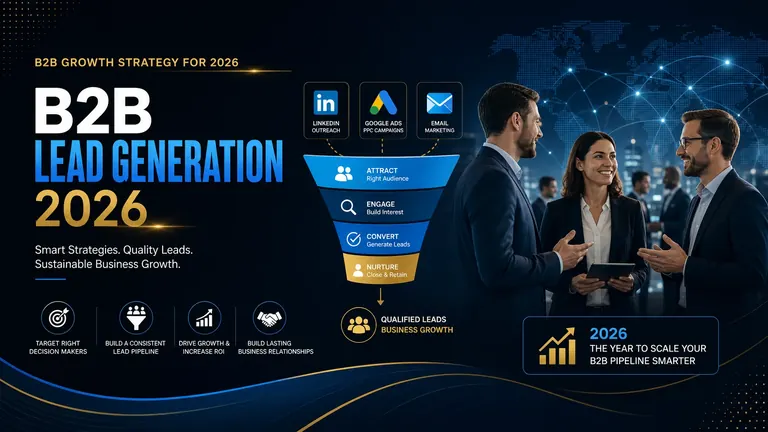
Explore essential strategies for lead generation in small businesses. Learn how to optimize your approaches and reach new customers.
Lead Generation Strategies for Small Businesses
Lead generation is essential for the growth and sustainability of small businesses. In a competitive market, effectively capturing potential customers can mean the difference between success and failure. This article explores proven strategies for lead generation, offering insights on how small businesses can optimize their approaches to attract and convert potential customers. We will address the importance of leads, challenges faced, and effective methods to overcome them.
Introduction to Lead Generation for Small Businesses
Understanding the concept of lead generation is the first step for any small business looking to expand its reach and customer base. This process involves attracting and converting strangers and prospects into someone who has shown interest in your company's products or services.
What is Lead Generation?
Lead generation is the process of attracting and converting potential customers into leads, meaning people who have an interest in your products or services. This can be done through various strategies, such as content marketing, SEO, paid ads, among others.
Importance of Leads for Small Businesses
For small businesses, leads represent growth opportunities. They are the foundation for building relationships with potential customers and eventually converting them into paying customers. Without leads, businesses may struggle to expand their operations and increase revenue.
Main Challenges in Lead Generation
Small businesses often face challenges in lead generation, such as limited budgets, lack of resources, and difficulty reaching the right target audience. Overcoming these challenges requires creativity and the implementation of effective and economical strategies.
Content Marketing Strategies for Lead Generation
Content marketing is a powerful strategy for attracting qualified leads. Creating valuable content that educates and engages your audience can significantly increase your chances of conversion.
Creating Valuable Content
Valuable content is that which offers useful and relevant information to your target audience. It can include blogs, e-books, webinars, and videos that answer frequently asked questions or solve common customer problems.
Using Blogs to Capture Leads
Blogs are an effective tool for capturing leads, as they allow you to share your knowledge and position your company as an authority in the industry. Include CTAs (calls to action) for readers to subscribe to newsletters or download additional content.
The Role of Social Media in Lead Generation
Social media platforms are ideal for reaching a larger and targeted audience. By sharing relevant content and interacting with your audience, you can increase brand recognition and generate qualified leads.
Using SEO to Increase Lead Generation
SEO (Search Engine Optimization) is fundamental for increasing online visibility and attracting more leads. A well-planned SEO strategy can position your website in the top search results, increasing the likelihood of being found by potential customers.
On-Page and Off-Page Optimization
On-page optimization involves improvements to the website itself, such as proper use of keywords, meta descriptions, and titles. Off-page optimization refers to external actions, such as backlinks and social media presence.
Keywords and Search Intent
Identifying the right keywords is crucial for reaching your target audience. Additionally, understanding user search intent helps create content that truly meets their needs and interests.
Best SEO Practices
To succeed with SEO, it is important to follow best practices, such as optimizing the site for mobile devices, improving loading speed, and using long-tail keywords.
Marketing Automation and Lead Capture
Marketing automation can be a powerful ally in capturing and managing leads. It allows you to optimize processes, personalize communications, and increase the efficiency of marketing campaigns.
Automation Tools for Small Businesses
There are various automation tools available that can help small businesses manage leads effectively. These tools allow you to automate repetitive tasks and focus on creative strategies.
Email Marketing Automation
Automated email marketing is one of the most effective strategies for nurturing leads. It allows you to send personalized and segmented messages to different audiences, increasing conversion chances.
Integration with CRM
Integrating marketing automation with a CRM (Customer Relationship Management) helps centralize information about leads, allowing for more precise and effective tracking throughout the customer journey.
Using Paid Ads to Generate Leads
Paid ads are a quick and effective way to generate leads. Platforms like Google Ads and Facebook Ads offer powerful tools to target and reach the right audience.
Google Ads and Its Efficiency
Google Ads allows businesses to reach potential customers at the moment they are searching for products or services. It is an efficient tool for generating qualified traffic and increasing conversions.
Social Media Ads
Social media ads are ideal for increasing brand visibility and capturing leads. Platforms like Facebook, Instagram, and LinkedIn offer detailed targeting options to reach the right audience.
How to Measure the ROI of Paid Ads
Measuring the return on investment (ROI) of paid ads is crucial for understanding their effectiveness. Use analytics tools to monitor campaign performance and adjust strategies as needed.
Effective Landing Pages for Lead Capture
Well-designed landing pages are essential for lead capture. They should be clear, objective, and focused on converting visitors into leads.
Elements of a Successful Landing Page
An effective landing page should have a clean design, a clear CTA, and relevant information that encourages visitors to take a specific action, such as filling out a form or making a purchase.
A/B Testing for Optimization
Conducting A/B testing is an essential practice for optimizing landing pages. This involves testing different versions of a page to see which converts better, allowing for adjustments based on real data.
Examples of Successful Landing Pages
Studying examples of successful landing pages can provide valuable insights into what works. Analyze elements such as design, text, and offers to apply to your own pages.
Partnerships and Networking for Lead Generation
Establishing strategic partnerships and expanding your network can be an effective way to generate leads. Participating in events and connecting with other industry professionals can open doors to new opportunities.
Establishing Strategic Partnerships
Strategic partnerships can help small businesses reach new audiences and share resources. Choosing the right partners is crucial for the success of this strategy.
Participation in Events and Trade Shows
Events and trade shows are excellent opportunities to promote your brand and capture leads. Proper preparation and having a strong presence can make all the difference in the success of your participation.
Online and Offline Networking
Networking, whether online or offline, is essential for expanding your network. Participating in discussion groups, forums, and industry events can help identify and capture new leads.
Measuring and Analyzing Results in Lead Generation
Measuring and analyzing the results of lead generation strategies is essential for optimizing processes and ensuring the success of campaigns. Defining clear KPIs and using the right tools are fundamental steps.
Main KPIs to Monitor
KPIs (Key Performance Indicators) are metrics that help evaluate the effectiveness of lead generation strategies. Examples include conversion rate, cost per lead, and response time.
Data Analysis Tools
Tools like Google Analytics, HubSpot, and SEMrush are essential for monitoring and analyzing lead generation data. They provide valuable insights that help adjust strategies as needed.
Adjusting Strategies Based on Data
Using data to adjust strategies is crucial for ongoing success in lead generation. Analyzing what works and what doesn't allows for optimizing campaigns for better results.
Future Trends in Lead Generation
Keeping up with future trends in lead generation is essential to remain competitive. New technologies and changes in consumer behavior can impact how businesses capture and convert leads.
Impact of New Technologies
Emerging technologies, such as artificial intelligence and advanced automation, are transforming the way businesses generate leads. Adopting these innovations can provide a significant competitive advantage.
Personalization and User Experience
Personalization is becoming increasingly important in lead generation. Offering a personalized user experience can enhance customer satisfaction and improve conversion rates.
The Future of Digital Marketing for Small Businesses
Digital marketing is constantly evolving, and small businesses must adapt to changes to continue generating leads effectively. This includes adopting new platforms, strategies, and technologies.
In summary, lead generation is a fundamental piece for the success of small businesses. Implementing effective strategies can significantly increase the chances of attracting and converting potential customers. The tips and insights shared in this article provide a comprehensive guide to optimizing your approaches and achieving better results. Do not underestimate the power of a well-planned strategy to transform your business.
Frequently Asked Questions
What is lead generation and why is it important?
Lead generation is the process of attracting and converting potential customers into leads. It is crucial for the growth of small businesses as it helps expand the customer base and increase revenue.
What are the best SEO practices for lead generation?
Best practices include using relevant keywords, optimizing pages for mobile devices, improving site speed, and creating quality content that meets user search intent.
How can small businesses use marketing automation to capture leads?
Small businesses can use marketing automation to personalize communications, segment audiences, and manage leads more efficiently, saving time and resources.
What are the main automation tools available?
Some of the main tools include HubSpot, Marketo, Mailchimp, and ActiveCampaign, which offer features for managing email marketing campaigns, segmenting leads, and analyzing data.
How to measure the effectiveness of paid ad campaigns?
Effectiveness can be measured through KPIs such as ROI, conversion rate, and cost per lead. Analytics tools like Google Analytics are essential for monitoring campaign performance.
What elements should be present in an effective landing page?
An effective landing page should have a clean design, a clear CTA, relevant information, and a simple form to capture visitor information.
What are the future trends in lead generation?
Trends include the use of artificial intelligence, advanced personalization, and new digital platforms that can impact how businesses generate and manage leads.